

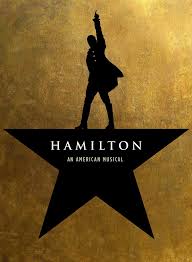
 “Hamilton” (the musical) has been one of the biggest cultural revolutions of the 21st Century. It has created a resurgence in the popularity of musical theater, and it has changed the societal scope of American history forever. Before the musical came out, Alexander Hamilton was quite possibly the most obsolete Founding Father. Simply no one cared about the first Treasury Secretary of the United States of America. We were too busy learning about Benjamin Franklin, or George Washington, or Thomas Jefferson. Hamilton was fatally shot by a power-hungry vice president (Aaron Burr) and his political foes disparaged his legacy (one of which was Thomas Jefferson, who is doted upon in many middle school curricula). However, Lin-Manuel Miranda’s Shakespearean genius has revived Hamilton’s epic tale. The songs within this revolutionary piece are emotional, comedic, thought-provoking, adventurous, cool, and extremely, extremely catchy. With that, let’s begin to delve into why this musical has been groundbreaking for New Yorkers, theater fanatics, and the common populous.
“Hamilton,” in many ways, is extremely unique. There’s the racial diversity of the cast, and certain characters play multiple parts. However, perhaps the most unique part about “Hamilton” is its musical diversity. Some songs are hip-hop, some songs are jazz, some songs are traditional Broadway ballads, and some are medleys or reprises of past songs in the musical. Now, let’s begin with the first act, where we are introduced to the main characters, and learn about Hamilton’s Revolutionary War experiences, as well as learning how he meets his dear wife. This act introduces almost, if not all of the essential songs of “Hamilton,” the flagship songs that everybody quotes and remembers. There’s the opening number, “Alexander Hamilton,” a rap ballad sang/rapped by Hamilton’s associates, such as Eliza Hamilton, Aaron Burr, and George Washington. It conveys the unsung heroism of Alexander Hamilton in an exciting three minutes. Two songs later, there’s the most iconic song from the musical, “My Shot,” which examines Hamilton’s insurmountable passion and drive as sets his goals in stone with his revolutionary comrades.
Then, there are songs like “The Schuyler Sisters,” a bubbly song detailing the curiosity of the three Schuyler Sisters, two of whom play a pivotal role in the rest of the play. There are also gritty wartime ballads such as the song that details George Washington’s introduction into the plot, “Right-Hand Man,” and “Stay Alive,” a short song that details the disparity of the Revolutionary War. Of course, being a play, there are songs that deal with Hamilton’s romantic pursuits. When Hamilton gets married to Eliza Schuyler, there are two different songs detailing different perspectives about the situation that are played consecutively. First, there is “Helpless,” which details Eliza’s optimism about being with her beloved Alexander Hamilton. Then, there is “Satisfied,” which offers a more pessimistic view on the situation. It details Angelica Schuyler’s longing and desire for Alexander after he gets married to Eliza, claiming that she “will never be satisfied.” The war all comes to a conclusion in a song called “Yorktown (The World Turned Upside Down),” where Hamilton leads his men at the Battle of Yorktown in 1781 and ends the Revolutionary War. The song maintains action and intensity throughout, and it even includes a legendary rap verse from America’s favorite tailor-turned-spy, Hercules Mulligan. After the war, there are two short ditties before the final song of the act, “Non-Stop” (which is, in my opinion, the best song in the whole musical). This song encapsulates Hamilton’s career leading up to 1789, when Thomas Jefferson finally returns from France. The first three minutes of the song consist of a Caribbean-like sway sang by Aaron Burr, which converts into a medley consisting of some of the most prevalent songs in the first act. Its sheer power and drama make it an audio treat, one that will never grow stale or old.
Now, we delve into the second act. This act deals primarily with Hamilton’s political pursuits after the Revolutionary War, where he works as the Treasury Secretary, with a little bit of his personal life thrown in there (the Reynolds affair and the death of Hamilton’s son). It starts with a swanky little tune called “What’d I Miss” which introduces the audience to Thomas Jefferson, who has finally come home from France and become the Secretary of State. It might not be a show-stopper, but it’s one of the catchiest songs in the musical, and it introduces one of the best characters in the musical. Immediately after that, the rivalry between Alexander Hamilton and Thomas Jefferson starts to bloom in “Cabinet Battle #1,” a traditional rap battle between Jefferson and Hamilton about Hamilton’s proposed debt plan. There are some great zingers woven into the lyrics, and it’s a blast just to listen to. Next, there are a few songs about Hamilton’s stress, which leads to the beginning of his affair with Mariah Reynolds (I can’t discuss this for obvious reasons). Then, we return to Aaron Burr in “The Room Where It Happens,” a definite show-stopper that signalizes one of the biggest character changes in the musical. This is the point where Aaron Burr sees his friends all climbing to the top, and he still remains in the same spot. Despite his patient, calm, demeanor, Burr starts to crave to be in “the room where it happens.” He realizes that he wants the power, and that he wants the fame, and that, in order for him to achieve that, he needs to make a move. And then, he becomes the senator of New York. This song is jazzy and it bears resemblance to a classic show-tune, but the lyrics are the most captivating part of it all. However, after another cabinet battle between Hamilton and Jefferson about America’s involvement in the a French revolution, there is an even better song. This song is titled “Washington On Your Side,” a song sang exclusively by Burr, Jefferson, and Jefferson’s close friend, James Madison. It involves the trio’s longing to maintain a more dominant position in government as Hamilton’s financial systems remain supreme.
Then, in the next truly amazing song, “One Last Time,” we bear witness to the departure of George Washington as he makes history by gracefully stepping down from office. It is a truly fantastic song, and even though it literally isn’t, it feels like the true final song of “Hamilton” in many ways. Next, as Hamilton’s opponents start to maintain political power due to the firing of Hamilton by John Adams, the 2nd President of the United States, more information is released about Hamilton’s adulterous affair. There are a slew of short songs about this, and then there is another ballad from Eliza Hamilton, this one, however, being more pessimistic as it is sort of like a break-up song (even though they stay together until Hamilton’s death and Eliza never remarried). In the very next song, Hamilton’s son gets shot… In the song after that, he dies. Emerging from the sadness is the best ballad in the musical, a blue yet heartwarming song called “It’s Quiet Uptown,” where the Hamilton’s move uptown, continue to grieve about the death of their son, and Eliza forgives Alexander for his affair. The last truly political song comes after that, titled “The Election of 1800.” It deals with… the election of 1800. The two top candidates are Thomas Jefferson and Aaron Burr, both of whom Hamilton detest (kind of similar to an election we just had recently, isn’t it)? This song reprises some parts from “Washington On Your Side” as Jefferson wins the election due to Hamilton’s vote. Hamilton states that “Jefferson has beliefs, Burr has none.” The next three songs deal with the duel between Hamilton and Burr after Hamilton refuses to endorse Burr in the election of 1800. Unfortunately, Hamilton gets shot by Burr and dies. The last song, “Who Lives, Who Dies, Who Tells Your Story” serves as a parallel to the first song, with some important characters commenting on Hamilton and a few verses from Eliza, who explains what she does after Hamilton’s death. It’s soft and it’s not intense, but it’s effective and it serves as a great conclusion to a simply revolutionary musical.
“Hamilton” is a fantastic musical: that’s the bottom line. It is simply revolutionary and it has caused a resurgence in the relevance of musical theater. The songs are unique, brilliantly written, and extremely, extremely captivating. They have changed a historical figure permanently. Hamilton’s legacy will likely never be stained again. The opposite can be said for his enemies, who were doted on in school textbooks for so long. Whether you think Hamilton was a villain or a hero, whether you love or hate hip-hop, whether you find musical theater captivating or boring, we can all agree on one thing: “Hamilton” is not just a work of art, it is a work of brilliance.
Final Verdict: 9.6/10
 Grover Middle School's Jagazine